Which Aqeeq Stone Is Best: Expert Guide to Types, Benefits, and Selection Tips
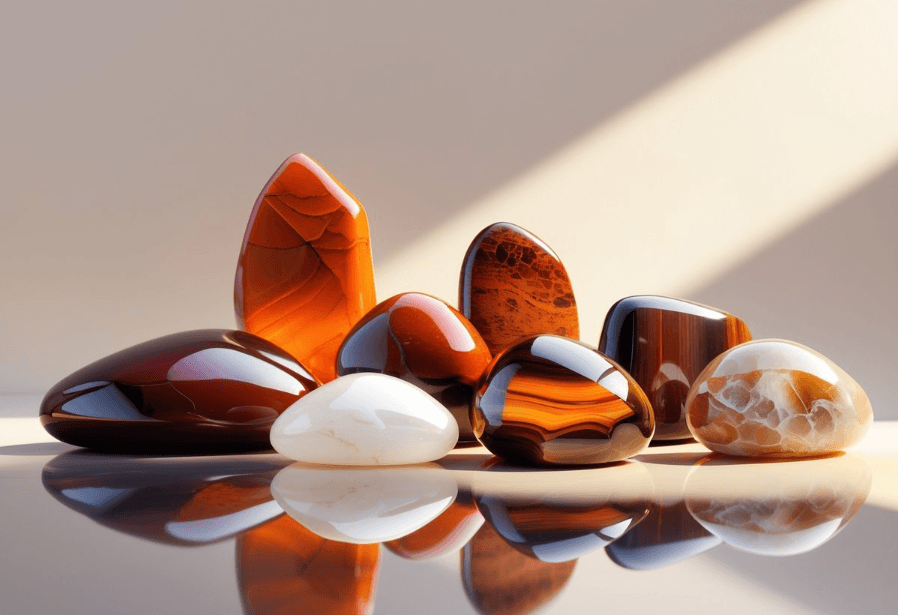
You want an aqeeq stone that fits your faith, style, and budget, but the choices feel confusing. Many people worry about picking the wrong color or paying too much for a stone that looks the same as a cheaper one.
The best aqeeq stone depends on what matters most to you: spiritual tradition favors a Yemeni (liver-colored) aqeeq for its rarity, while many wear red or white agate for beauty and everyday use. This post helps you choose by looking at types, colors, benefits, and quality so you can make a clear choice.
You’ll learn simple ways to spot real aqeeq, how color and origin affect value, and which stones match common needs — spiritual use, daily wear, or gift-giving. Start here to save time and feel confident about your next aqeeq ring purchase.
How to Choose the Best Aqeeq Stone
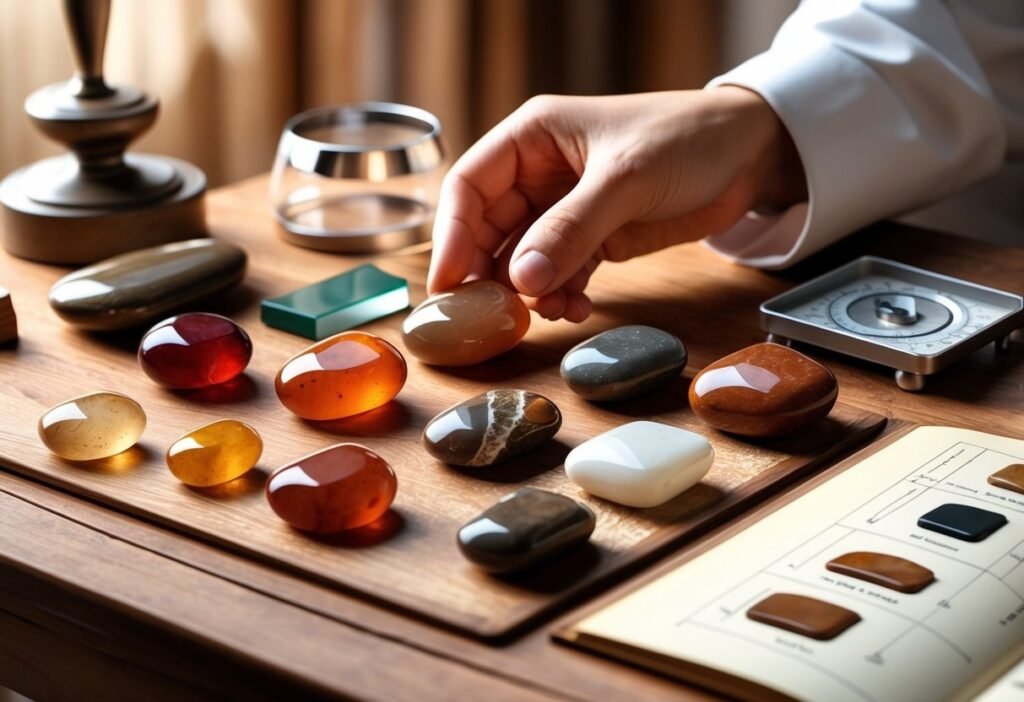
Focus on color, clarity, type, and whether the stone is natural and from a trusted origin. Think about how you will wear the aqeeq ring and any religious or cultural reasons for your choice.
Key Factors in Aqeeq Stone Selection
Look at color and pattern first. Red and brown tones in agate often show better saturation and are popular in Yemeni aqeeq. Choose a rich, even color rather than a washed-out one. Bands or unique markings can add beauty and value.
Check translucency and surface quality. Hold the stone to light to see how much light passes through; chalcedony that is too cloudy may hide patterns. Inspect for chips, cracks, or uneven polishing on an aqeeq stone ring.
Consider size, cut, and setting. A larger oval cabochon shows banding well, while smaller stones fit standard rings. For daily wear pick a sturdy setting in silver or durable metal to protect the microcrystalline quartz from knocks.
Decide on your budget. Natural aqeeq varies in price by type and origin. Know if you prefer a rare Yemeni aqeeq or a more common agate that still looks attractive.
Authenticity and Origin Considerations
Verify that the stone is natural aqeeq like black aqeeq stone, not dyed or heavily treated. Ask the seller about treatments and request close-up photos or videos. Look for natural banding and internal texture typical of chalcedony and agate.
Seek reputable dealers and documentation. Trusted sellers will describe origin, such as Yemeni aqeeq, and note any enhancements. If available, ask for a simple lab report or a clear return policy.
Watch for common fakes. Dyed agate and composite stones mimic color and pattern. Test at home by checking color consistency in cracks or near drill holes; dye often pools in those areas.
Balance origin with value. Yemeni aqeeq carries tradition and higher demand, but other authentic agates can offer strong visual and spiritual value at lower cost. Choose what fits your priorities.
Religious and Cultural Importance
If you wear an aqeeq ring for Sunnah reasons, choose a stone type and color that match your tradition. Many people prefer natural, simple stones set in silver for religious practice. Decide whether you want a specific type like Yemeni aqeeq that some communities favor.
Understand symbolic meanings. Red stones often represent courage and vitality, while darker Sulemani-style agate may be chosen for protection and grounding. Match meaning to your personal intent.
Respect ritual care and wearing guidance. Keep the ring clean, avoid harsh chemicals, and replace settings that loosen. If your ring is a religious item, consider how you store and present it in daily life.
Which Aqeeq Stone Is Best: Types, Colors, and Benefits
Aqeeq stones come in many colors and types, each with distinct uses, appearances, and traditional meanings. Choose by color, origin, and intended use—daily wear, prayer beads, or a statement silver ring.
Red Aqeeq and Its Qualities
Red aqeeq, often called Yemeni red when from Yemen, has a deep orange-red to blood-red color that stands out in rings and prayer beads. You should pick stones with even color and a smooth polish for rings or gemstone jewelry.
People favor red aqeeq for visible wear like silver rings and gemstone rings because it pairs well with both casual and formal styles. It is said to brighten the face and bring emotional balance; while those are traditional claims, focus on the stone’s strong color and durability when buying.
Look for a solid cabochon cut or well-shaped beads for malas. Check sellers for origin notes—Yemeni aqeeq commands higher prices and is prized for richer tones.
Black Aqeeq for Protection
Black aqeeq, sometimes marketed alongside onyx, shows deep black or dark gray bands and works well for everyday protection in rings and bracelets. You can use it in a simple silver ring or as a centerpiece bead on prayer beads.
Choose pieces with tight banding and a glossy finish; these hide scratches and hold up to frequent handling. In jewelry, black aqeeq reads formal and neutral, matching most metals and outfits.
Sellers may call it “Sulemani” or list onyx-like features; confirm if it is true agate (aqeeq) and not dyed onyx if authenticity matters to you.
See also: High Performance 3 Phase Distribution Transformer for Reliable Electrical Infrastructure
Honey, Yellow, and White Aqeeq Varieties
Honey and yellow aqeeq range from warm amber to pale lemon and suit both rings and malas when you want softer tones. These stones often show translucence that catches light in a silver ring or pendant.
White and milky aqeeq deliver a clean, understated look for prayer beads and everyday gemstone jewelry. Choose translucent pieces for a luminous effect or opaque ones for a matte, minimal style.
Yellow and honey stones vary more in price than red or black; check for consistent color and avoid too many surface pits if you plan to wear the piece daily.
Green, Blue, Brown, Purple, and Other Aqeeq Stones
Green, blue, brown, purple, and orange aqeeq offer niche looks for collectors and fashion-focused wearers. Green and blue tend to be less common and may be dyed; verify natural color if that matters to you.
Brown and purple stones give earthy or regal tones respectively and work well in custom gemstone rings and bead malas. Orange aqeeq provides a brighter alternative to red without the deep hue.
When buying any colored aqeeq, inspect for uniformity, firmness, and good polish. If origin is important, ask about Yemeni aqeeq, which often commands premium value and distinct banding patterns.