What Makes a Restaurant Feel “Easy” to Eat At
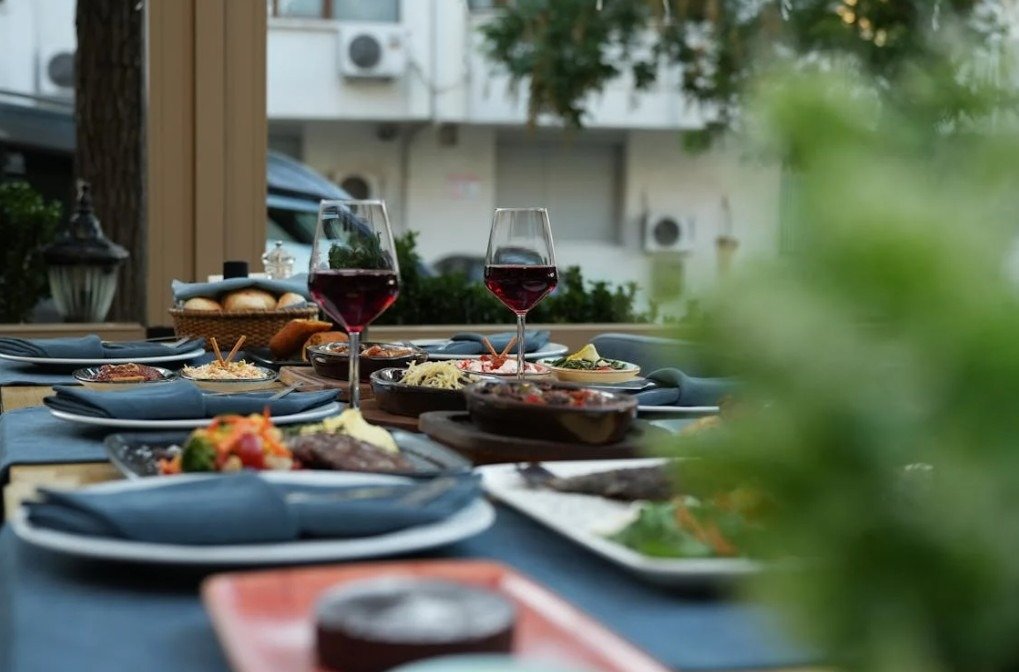
You know the feeling. You walk into a restaurant, and within seconds, something clicks. You’re not overthinking the menu. You’re not checking your watch. You’re not wondering if you made the wrong choice. It just feels… easy. No friction. No pressure. No awkward pauses.
In a dining world that often leans toward either high-end formality or chaotic, high-turnover energy, that sense of ease is rare. And valuable. It’s what turns a one-time visit into a regular spot. It’s what makes people say, “Let’s just go there again.” But what actually creates that feeling? Because it’s not luck. It’s design—intentional, layered, and often invisible. Let’s break it down.
It Starts With a Welcome That Doesn’t Try Too Hard
The first few seconds matter more than most restaurants realize. Not a grand greeting. Not a rehearsed script. Just a simple, human acknowledgment. A quick smile. Eye contact. A sense that someone’s aware you’ve arrived.
At places like Madam Lola’s, this idea takes on a slightly different form. The venue leans into immersive dining and cabaret—performances, atmosphere, energy. It could easily feel overwhelming. But when it works, it doesn’t. Why? Because the welcome grounds you.
Even in a theatrical space, there’s clarity. You know where to go. You know what’s happening. Staff guide you without over-explaining. That balance—between spectacle and simplicity—is what keeps the experience feeling easy rather than chaotic.
Interestingly, hospitality experts often say, “Confusion is the enemy of comfort.” It sounds obvious. But it’s overlooked all the time.
Menus That Don’t Make You Work
Ever opened a menu and felt like you needed a translator? Too many options. Too many buzzwords. Not enough clarity. That’s the opposite of easy.
A restaurant that feels effortless usually has a menu that does the same. Clear sections. Logical flow. Descriptions that help, not confuse. You don’t need to decode it. You just read and choose.
And here’s where things get subtle: it’s not about having fewer options. It’s about having better organized ones. A friend once told me about a date that went wrong because they spent 15 minutes trying to understand the menu. By the time they ordered, the mood was gone. Food might have been great—but the experience wasn’t. That’s the cost of overcomplication.
Staff Who Read the Room
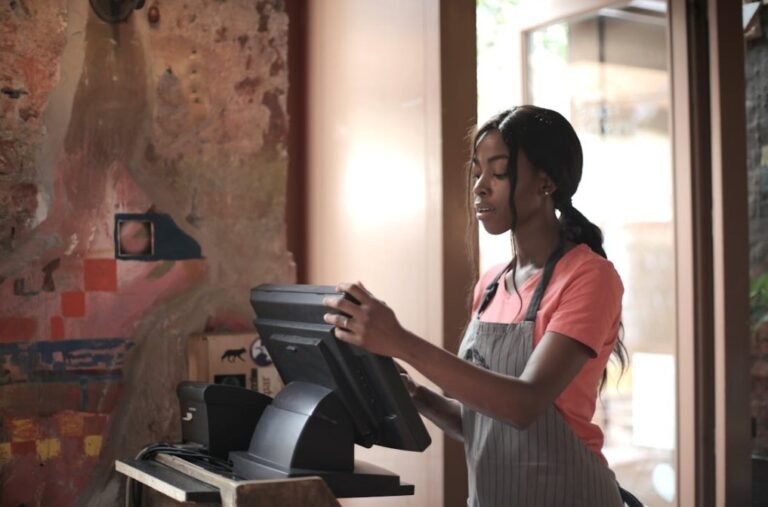
Great service isn’t about constant attention. It’s about the right attention. Some tables want conversation. Others don’t. Some diners need guidance. Others just want efficiency. The best staff pick up on that quickly.
They don’t interrupt. They don’t hover. But they’re there when you need them. This kind of awareness creates ease. You’re not managing the interaction. It just flows. A restaurant manager once put it like this: “We don’t serve tables. We read them.” That distinction matters.
Space That Lets You Breathe
Physical comfort plays a bigger role than people admit. Are tables too close together? Are you bumping elbows with strangers? Is the lighting too harsh? All of these things add friction.
An “easy” restaurant feels spacious—even when it’s busy. You can hear your conversation. You can sit back without adjusting your chair every two minutes. And it’s not always about size. It’s about layout. Smart spacing. Thoughtful design.
In recent years, especially after the pandemic reshaped how people think about space, this has become even more important. Diners notice it now. They expect it.
See also: Compassionate Auto Accident Lawyers Guiding You After Serious Crashes
Timing That Feels Natural
Here’s a question: have you ever felt rushed through a meal without anyone explicitly rushing you? That’s poor pacing. Food arrives too quickly. Plates are cleared too soon. The bill appears before you’ve finished your drink. It breaks the flow.
On the flip side, slow service can feel just as uncomfortable. The sweet spot? Timing that feels invisible. At The Countess of Evesham, where dining takes place on a river cruise, this becomes part of the experience itself. You’re not just eating—you’re moving, slowly, through a changing view. The pacing of the meal matches the pace of the journey.
Courses arrive with intention. There’s time to look out at the water, to talk, to pause. That’s what ease looks like in practice—alignment between environment and service.
Food That Doesn’t Overcomplicate Itself
Let’s talk about the plate. Not every dish needs to be groundbreaking. Not every meal needs a twist. Sometimes, ease comes from familiarity done well. Clear flavors. Balanced portions. Food that makes sense.
You don’t have to analyze it. You just enjoy it. And that’s not about playing it safe. It’s about confidence. A kitchen that knows what it’s doing doesn’t need to overprove it. A chef once said, “If a dish needs explaining, it might not be ready.” That’s a bold take. But there’s truth in it.
Pricing That Feels Fair
Nothing disrupts an easy experience like a bill that doesn’t match expectations. It doesn’t have to be cheap. It just has to feel right. Transparent pricing. No hidden surprises. No pressure to order more than you need.
When diners feel comfortable with the cost, they relax. They order more freely. They stay longer. It’s psychological, but it’s real.
Small Details That Remove Friction
Here’s where things get interesting. Ease often comes from things you barely notice. Water refilled without asking. Menus that are easy to hold and read. Chairs that don’t make you shift constantly. Even things like how quickly a card machine arrives—it all adds up.
Individually, these details seem minor. Together, they shape the experience. A key takeaway is this: the best restaurants remove problems before you notice them.
Atmosphere That Matches Your Mood
Not every restaurant needs to be high-energy. Not every space needs to be quiet. What matters is consistency. If the atmosphere matches what you expect—or even slightly exceeds it—you settle in faster.
Toward the end of a meal at Violas in Covent Garden, this becomes clear. The setting leans into calm, relaxed dining. Floral interiors. Soft lighting. A pace that encourages you to stay a little longer. It’s not trying to impress loudly. It’s trying to make you comfortable. And it works.
You can have brunch without feeling rushed. Dinner without feeling formal. Coffee without feeling like you need to leave immediately. That flexibility—that ability to adapt to different moods—is a hallmark of an easy restaurant.
Emotional Ease Matters Too
Here’s something people don’t talk about enough: emotional comfort. Do you feel judged for what you order? For how long you stay? For asking questions? Or do you feel accepted? Restaurants that get this right create a kind of quiet inclusivity. You don’t have to “perform” as a diner. You just exist. And that makes a difference.
Especially now, when dining out is as much about mental space as it is about food.
The Bigger Picture
So, what makes a restaurant feel easy to eat at? It’s not one thing. It’s a combination. Clear menus. Thoughtful service. Comfortable space. Balanced timing. Each element reduces friction. Each detail adds to a sense of flow. And when it all comes together, you stop noticing the mechanics. You just enjoy the experience.
Final Thoughts
In a city full of options—from immersive venues like Madam Lola’s to relaxed dining experiences on The Countess of Evesham, and calm, elegant spaces like Violas—the idea of “easy” dining stands out more than ever. Because people don’t just want good food. They want comfort. Simplicity. A sense that everything works without effort. And when a restaurant delivers that? You don’t overthink it. You don’t analyze it. You just go back.