Housing Market Trends and Forecast in Alaska
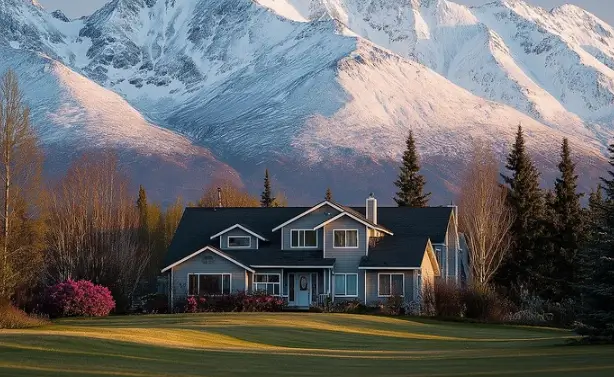
Alaska offers a unique housing market landscape. With its stunning scenery and remote allure, it attracts both prospective homeowners and investors. However, the housing market in Alaska is not without its challenges. In this article, we’ll explore the key trends and forecasts for the Alaska housing market, providing a detailed look at what landlords, buyers, and investors can expect in the coming year.
Alaska Housing Market Overview
Alaska’s housing market is characterized by its distinct geographical and economic factors. The state’s economy, reliant on oil and minerals, is crucial in shaping housing trends. Although once lagging behind the national market, Alaska is seeing a slow but steady recovery.
In 2024, Alaska experienced job growth and increased wages, leading to renewed interest in real estate. However, housing affordability remains a pressing issue, impacted by high demand, limited supply, and broader economic factors like inflation and interest rates.
Key Market Trends
The following trends are shaping the housing market in Alaska:
- Home prices: The median sale price in Alaska was $367,700 as of April 2024, showing a 2.3% year-over-year growth. Anchorage, a key city, sees even higher prices with a median of $449,000.
- Sales volume: Alaska remains one of the lowest states for home sales, with only 469 homes sold in April 2024, marking a 3.5% decrease from the previous year.
- Days on market: Homes in Alaska typically sell within 14 days, reflecting a competitive market driven by low inventory.
- Construction permits: With just 2.12 new residential construction permits per 1,000 people, there’s a noticeable scarcity in new home builds, contributing to the tight supply.
Local Market Insights
Different cities in Alaska present unique opportunities and challenges:
- Anchorage: Housing prices are recovering due to local industry growth. With a robust oil industry, Anchorage sees increasing median home prices trending upwards by 5.6% year-on-year.
- Wasilla: As one of the fastest-growing areas, Wasilla boasts attractive landscapes and housing prospects. The median home price is nearly $440,000, drawing interest from both tourists and residents.
- Juneau: The capital city is a hotspot for tourists, which supports a thriving short-term rental market. Juneau’s median listing price increased by 21.4% year-over-year to $495,000.
Economic Factors
Understanding economic drivers is crucial for grasping the housing market dynamics in Alaska:
- Mortgage rates: The average 30-year fixed-rate mortgage in Alaska is 6.34%, slightly below the national average. This rate influences both buyers and the broader housing market.
- Inflation and cost of living: Inflation affects affordability, with many Alaskans struggling to limit housing expenses to 30% of their income.
- Population dynamics: Alaska’s population trends show negative net migration since 2013, impacting housing demand and inventory levels.
See also: Flexible Low Deposit Home Loans with Competitive Rates and Simple Approval
Future Forecasts
Experts anticipate that Alaska’s housing market will continue its gradual recovery:
- Appreciation: Home values are likely to keep rising as demand remains strong amidst low inventory.
- Interest rates: A significant drop in interest rates could ease affordability challenges, though such a change seems unlikely in the near term.
- Market crash: A crash is improbable due to high demand and low supply, with the state’s economy supporting continued stability.
Rental Market Considerations
The rental market in Alaska is similarly influenced by housing trends:
- Unaffordability: High home prices push up rental rates, with markets like Juneau and Wasilla witnessing significant rent growth.
- Demand and supply: Landlords benefit from rising rental prices while aspiring homeowners face affordability hurdles.
Conclusion
Alaska’s housing market presents both opportunities and complexities. With careful analysis of current trends and economic factors, investors and landlords can navigate this dynamic environment. As the market recovers and adapts, those involved in real estate must stay informed to make strategic decisions.