Why Preventive Care Is Essential Before Beginning Cosmetic Treatments
You might be feeling excited about improving your smile or smoothing a feature that has bothered you for years, and at the same time, a little unsure about what should happen first. That feeling makes sense. At a dental office in St. Cloud, MN, cosmetic care often focuses on the result you want to see in the mirror, but the part that protects that result usually happens before any treatment begins. If you take care of underlying dental and oral health issues first, cosmetic work tends to be safer, more comfortable, and more likely to last.
That is the heart of why preventive care is essential before beginning cosmetic treatments. Whether you are thinking about whitening, veneers, bonding, contouring, or other appearance based services, prevention helps uncover problems that may not be obvious yet. A small cavity, gum inflammation, clenching habit, or bite issue can turn a cosmetic plan into a frustrating and expensive cycle of repairs if it is ignored.
Why can cosmetic treatments fall short when preventive dental care comes first too late?
It is easy to assume that cosmetic treatment is mostly about color, shape, or symmetry. But your teeth and gums do not separate health from appearance. If your gums are irritated, your enamel is weak, or you have decay between teeth, cosmetic changes may cover the look of a problem without fixing the cause. Then the cause keeps moving underneath the surface.
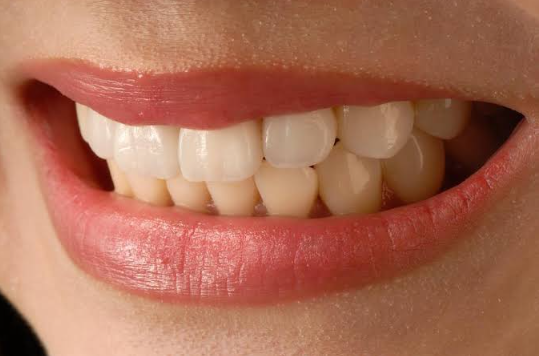
Think about a simple example. You want veneers because a few front teeth are chipped and uneven. On the surface, that sounds straightforward. But what if the chipping came from nighttime grinding, or the uneven gumline is tied to inflammation? If those issues are not addressed first, the cosmetic result may break down sooner than expected. Because of that tension, you might wonder if the extra preventive visit is really worth it. In many cases, it is the visit that protects everything that comes after.
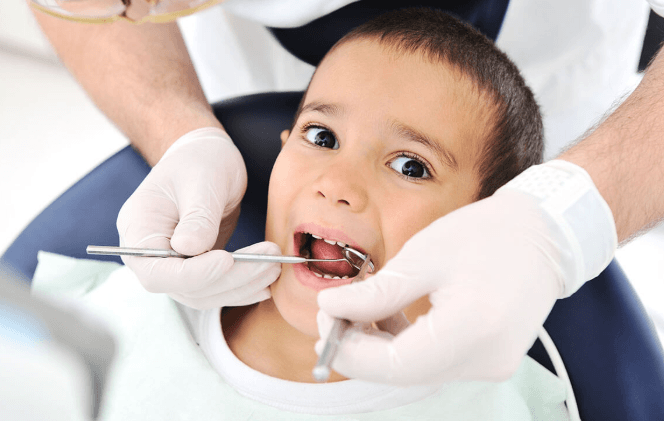
This is especially true with a family and cosmetic dentist, where care is often built around both health and appearance. Preventive exams, professional cleanings, x-rays when needed, bite checks, and gum evaluations help create a fuller picture. That fuller picture can save you from paying for work that needs to be redone.
What kinds of hidden issues should be checked before cosmetic dental treatment?
Some problems are easy to spot, but many are quiet at first. Early decay may not hurt. Gum disease can begin with mild bleeding that people ignore for months. Teeth grinding may show up as small wear marks long before jaw pain starts. Even dry mouth matters, because it raises the risk of cavities and can affect how long certain cosmetic results hold up.
Preventive care before aesthetic work often looks for issues such as plaque buildup, enamel erosion, gum recession, bite imbalance, infection, and old fillings that are failing. According to the National Library of Medicine resource on oral health in America, oral health is closely linked to overall well being, function, and quality of life. That matters because cosmetic treatment is not just about appearance. It depends on a healthy foundation.
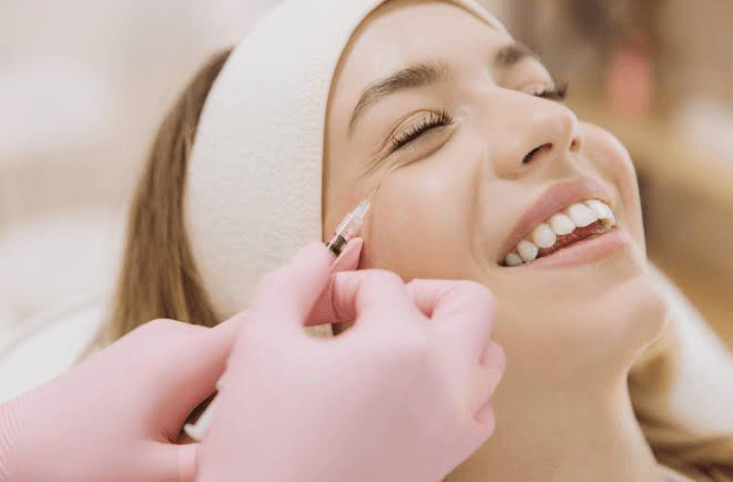
If you are also considering facial cosmetic services, asking good safety questions matters there too. The American Academy of Dermatology offers guidance on what to ask before a cosmetic procedure, which can help you think more clearly about training, risks, and follow up care. And if dermal fillers are part of your broader appearance goals, the FDA explains important safety information about dermal fillers and soft tissue fillers. Different treatments carry different risks, but the same principle applies. Prevention and screening come first.
How does preventive care compare with skipping straight to cosmetic work?
So, where does that leave you if you are eager to move forward? It helps to look at the tradeoff clearly. Preventive care may feel like an extra step, but it often reduces setbacks, surprise costs, and disappointment.
| Approach | Short Term Experience | Long Term Impact |
|---|---|---|
| Preventive care before cosmetic treatment | More planning, possible cleaning or minor treatment first | Better fit, healthier gums, lower risk of failure, more durable cosmetic results |
| Cosmetic treatment without preventive review | Faster start, less time spent upfront | Higher chance of discomfort, hidden decay, gum issues, repairs, or repeated treatment |
| Preventive care plus maintenance after treatment | Routine visits and home care commitment | Helps protect investment, supports appearance, catches small problems early |
This is one reason many people now ask about preventive care before cosmetic procedures instead of focusing only on the final look. The strongest cosmetic plan is usually the one that respects biology, not just beauty.
See also: 4 Ways CPAs Streamline Business Tax Deductions
What can you do right now before starting cosmetic dentistry?
1. Get a full health first evaluation.
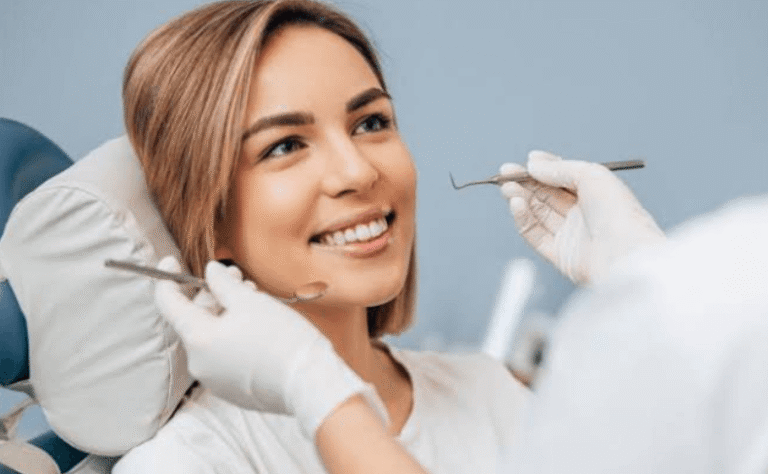
Ask for a preventive exam before deciding on the cosmetic plan. That means checking for decay, gum health, bite issues, wear patterns, and signs of grinding. If something small is found now, it is often easier and less costly to treat than after cosmetic work is completed.
2. Ask what could shorten the life of your result.
This question changes the conversation in a good way. It moves beyond shade and shape and gets to the real issue, which is durability. Ask whether clenching, gum recession, diet, smoking, dry mouth, or poor oral hygiene could affect the outcome. If they can, address them first.
3. Build a maintenance plan before treatment starts.
Cosmetic care is not a one time event. It works best when paired with regular cleanings, home care, and checkups. If you know the follow up plan from the start, you are more likely to protect both your oral health and your investment in cosmetic dentistry.
Why does a healthy foundation matter so much for cosmetic dentistry?
The answer is simple, even if the choices feel complicated. Healthy teeth and gums support everything you want cosmetic treatment to do. They help your smile look better, feel better, and stay better. When prevention comes first, you are not delaying the result you want. You are giving it a stronger chance to succeed.
If you have been thinking about changing your smile, take a breath and start with the foundation. A careful preventive evaluation can bring clarity, reduce risk, and help you move forward with more confidence in your cosmetic treatment plan.