5 Questions To Ask About White Zirconia Crowns For Baby Teeth
You saw a cavity, or maybe your child’s dentist pointed out a tooth that needs more than a simple filling, and now you’re staring at a treatment option you did not expect. A crown for a baby tooth can feel like a lot. A white crown can feel even more confusing, because you are not only thinking about function, you are thinking about comfort, appearance, cost, and whether all of this is really necessary for a tooth that will fall out anyway. For families focused on helping children maintain healthy smiles in Crenshaw, these concerns can feel especially important.
That tension is real. You want to protect your child from pain and future dental work, but you also do not want to agree to something without understanding it. White zirconia crowns for baby teeth are one option pediatric dentists use to restore primary teeth that are badly decayed, broken, or weakened. They are durable, tooth colored, and often chosen when parents want a strong restoration that also looks natural. The right choice depends on the tooth, your child’s bite, your budget, and how much healthy tooth structure is left.
White zirconia crowns for baby teeth are built for strength and appearance
The first question to ask is simple. Why this crown and not another treatment?
Zirconia crowns are full coverage restorations. That means they cover the entire tooth rather than patching one area the way a filling does. Pediatric dentists often recommend them when a cavity is large, when a tooth has had pulp treatment, or when a child has enamel defects that make the tooth weak. According to the American Academy of Pediatric Dentistry restorative dentistry guidance, full coverage can be the better choice for primary teeth with extensive decay because it protects what remains of the tooth and lowers the chance of failure from another large filling.
If your child has decay on several surfaces of a front or back baby tooth, a white crown may save you from repeat repairs. Fillings can chip, leak, or fail when there is not enough solid tooth left to hold them. That is usually the point where parents hear the phrase they were hoping to avoid, a crown is the more predictable option.
See also: How Family Dentists Support Patients With Swallowing Difficulties
The right questions help you weigh cosmetic baby tooth crowns against other options
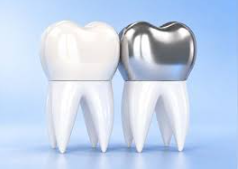
Parents often focus first on appearance, and that makes sense. Metal crowns can work very well, but some families do not want a silver colored tooth, especially in the front of the mouth. So the second question to ask is whether appearance matters enough to justify the tradeoffs.
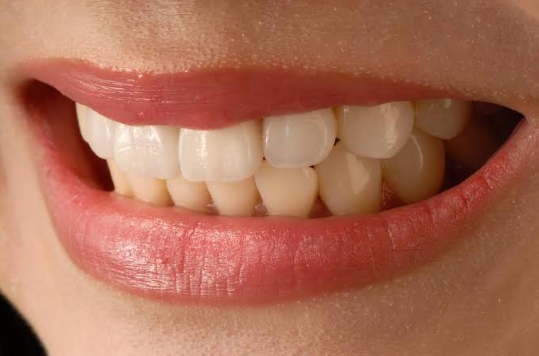
Cosmetic baby tooth crowns made of zirconia are smooth, white, and closer to the look of a natural tooth. That can matter if your child smiles wide, feels self conscious, or has multiple visible teeth involved. A review on pediatric zirconia crowns published in the literature found high parent satisfaction with esthetics, along with favorable clinical performance in many cases, though technique and case selection still matter a great deal. You can read that review of zirconia crowns in pediatric dentistry for a closer look at outcomes.
The tradeoff is that zirconia crowns usually require more tooth reduction than some other crown types, and they cannot be crimped or adjusted in the same way as stainless steel crowns. If the fit is not right, the crown cannot simply be bent into place. That is why your third question should be whether your child’s tooth is a good candidate for zirconia at all.
A good candidate for pediatric dental crowns depends on the tooth and the child
Not every baby tooth is the same. Front teeth and molars face different forces. Some children grind their teeth. Some have deep bites. Some have very little tooth left above the gumline. These details affect whether pediatric dental crowns made from zirconia are likely to last comfortably.
Ask your pediatric dentist how much healthy tooth structure remains, whether the gums are healthy enough for a zirconia crown, and whether your child’s bite creates a higher risk of wear or fracture. If your child is very young or anxious, ask how likely it is that they can tolerate the tooth preparation needed in one visit. A treatment that is excellent on paper still has to work in a real child sitting in a real chair.
The fourth question is about longevity. Baby teeth do fall out, but they also hold space for adult teeth, support chewing, and help with speech. If a back baby tooth is expected to stay for several more years, a stronger restoration may spare your child pain, infection, or emergency visits later. If the tooth is already close to natural exfoliation, a less involved option might make more sense.
Key comparison points make the decision clearer
| Option | Appearance | Durability | Tooth Reduction | Common Use |
|---|---|---|---|---|
| Zirconia crown | Tooth colored | High | More | Large decay in front or back baby teeth when esthetics matter |
| Stainless steel crown | Silver colored | High | Less technique sensitive fit | Back baby teeth with extensive decay |
| Large filling | Can blend in | Moderate to low in heavily damaged teeth | Less | Smaller to medium areas of decay with enough tooth left |
| Extraction | Tooth removed | Final for that tooth | Not applicable | Severely damaged or infected teeth that cannot be restored |
The fifth question is the one many parents save for last, even though it affects every decision. What will this cost now, and what might it save later? White zirconia crowns often cost more than metal crowns or fillings. The harder part is comparing that number with the cost of retreatment if a large filling fails, or the cost of space maintenance if a baby tooth is lost too early. Cheap and cost effective are not always the same thing.
Three practical steps help you make the right call
Ask for the reason behind the recommendation. Get specific. Ask whether the tooth has decay on multiple surfaces, whether pulp treatment is planned, and why a filling is less likely to hold up. Clear reasons usually mean the treatment plan is built on the tooth, not on preference alone.
Ask what the alternatives would look like in your child’s mouth. A good discussion includes zirconia, stainless steel crowns, fillings, and extraction when appropriate. If one option is ruled out, ask why. The answer often reveals whether the issue is strength, bite, age, or appearance.
Ask about timing and follow up. Find out how long the baby tooth is expected to remain, how the crown will be monitored, and what signs should prompt a call after treatment. Knowing the plan after placement makes the whole process feel less uncertain.
The best choice is the one that protects your child and makes sense for your family
You do not need to become an expert in crowns overnight. You just need enough clarity to ask good questions and feel steady about the answer. When a dentist recommends zirconia crowns for baby teeth, the conversation should cover function, appearance, fit, cost, and whether the tooth is likely to benefit from full coverage until it is ready to fall out naturally.
If your child needs a pediatric dentist, schedule a visit and bring these five questions with you. A calm, direct conversation usually turns a stressful decision into a manageable one.