Why Service Animals May Need To Be Considered When Planning A Dental Visit
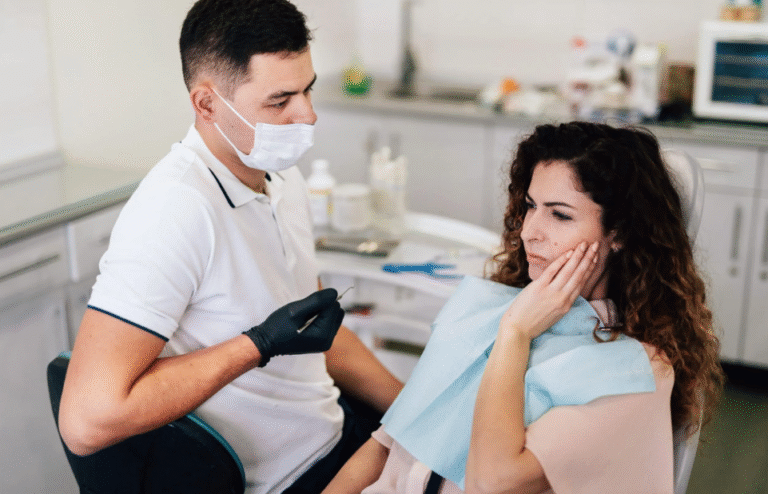
You may already be juggling enough just trying to schedule a dental appointment. Add a service animal to the picture, and the details can start to feel heavier than they should. If you’re looking for Hattiesburg family dental care, you might be wondering whether the animal can come into the office, how a dental team handles safety and sanitation, or whether you will have to explain your disability to strangers just to get your teeth cleaned.
That stress is real. A dental visit asks you to sit still, trust the room, and feel safe while someone works inches from your face. If a service animal is part of how you move through daily life, that support does not stop mattering at the front desk. Planning ahead helps protect access, comfort, and infection control at the same time. That is why service animals and dental visits deserve more thought than many people realize.
Service animals affect access, safety, and comfort during dental care
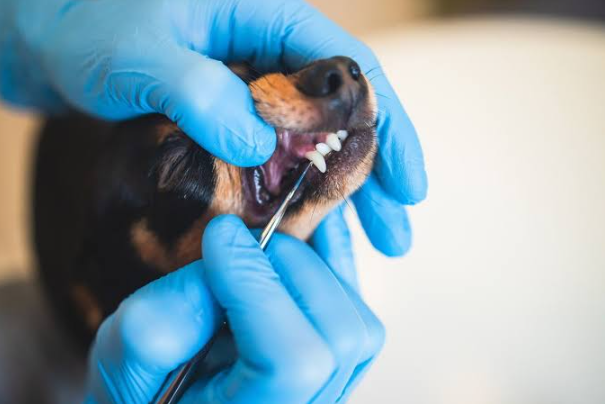
A service animal is not a pet. Under the ADA, a service animal is generally a dog trained to do work or perform tasks for a person with a disability. The rules around public access are clear, and dental offices are expected to understand them. The ADA’s guidance on service animals explains what businesses may ask and what they may not require.
That matters because a family dentist office is still a healthcare setting, and healthcare settings come with extra moving parts. Staff need to think about treatment rooms, sterilized tools, narrow hallways, wheelchairs, sedation, patient anxiety, and emergency procedures. You need to think about whether your animal needs space near the chair, whether someone can help if you cannot hold a leash during treatment, and whether your appointment will involve medication that changes your awareness.
When those details are ignored, the visit can go sideways fast. A patient arrives with a trained service dog, then gets told the dog has to stay outside. Another patient is allowed to bring the dog in, but no one has planned where the animal can rest without blocking a path. Someone else is scheduled for a longer procedure and realizes too late that their dog needs a bathroom break before treatment starts. None of this is rare. It is what happens when access is treated like an afterthought.
See also: Baby Teeth And Grandparents’ Crowns: The Range Of Care A Family Dentist Provides
Dental infection control rules do not erase disability access
Many people assume infection control rules automatically keep animals out of dental spaces. That is not how it works. Dental offices do have to maintain clean, safe environments, especially where instruments, surfaces, and patient care are involved. The CDC’s environmental infection control recommendations and its guidance for dental infection prevention and control shape how practices manage risk.
Those standards support thoughtful planning, not blanket exclusion. A service animal may still be accommodated while the office follows cleaning and safety protocols. The practical question is not whether access or infection control wins. The practical question is how the office will make both work.
That can mean placing the animal in a spot away from sterile supplies, keeping walking paths clear, limiting contact with surfaces used for patient care, and cleaning any area if contamination occurs. If the patient is having oral surgery or deep sedation, the planning may need to go further. Who handles the dog if the patient is temporarily unable to do so? Is a support person coming? Does the office have a policy for this, or does everyone start improvising once the patient is already in the chair?
Planning a dental appointment with a service animal reduces preventable problems
Small details become big problems in a dental office because timing is tight and treatment rooms are controlled spaces. If your dog alerts you before a medical event, the team needs to know what that alert looks like. If your dog helps with balance or grounding, the team needs to know when separation would create risk. If you are bringing a child to a family dentist who also relies on a service animal, the staff may need to prepare the room differently than they would for a standard pediatric visit.
This is also where emotion enters the room. You should not have to show up ready to defend your basic access rights. You also should not have to guess whether the office understands the difference between a service animal and an emotional support animal. Clear communication before the visit often prevents embarrassment at check in, delays in care, and tense conversations in a waiting room full of people.
Common planning points for service animals in dental care
| Planning area | If discussed before the visit | If left until arrival |
|---|---|---|
| Waiting room and treatment room space | Staff reserves a safe spot for the animal and keeps walkways clear | Animal may end up in a cramped area or block equipment and foot traffic |
| Type of procedure | Team prepares for cleanings, fillings, sedation, or longer visits differently | Procedure may be delayed if the setup is not safe for patient or animal |
| Handling during treatment | Patient and office agree on whether a support person is needed | Staff may not know who is responsible once treatment begins |
| Infection control concerns | Surfaces, pathways, and room layout are managed in advance | Confusion can lead to conflict or poor room flow |
| Medical alerts or task performance | Dental team understands what the dog does and what signs to watch for | Critical cues may be missed during treatment |
Three steps you can take before the appointment
Call ahead with specific details. Tell the office you will be accompanied by a service animal and describe any practical needs tied to the visit. Keep it simple and concrete. Mention the type of appointment, whether the dog needs to remain close to the chair, and whether you will have a support person with you.
Ask about room setup and procedures. This is where planning a dental appointment with a service animal becomes much easier. Ask where the animal can rest, whether there are any concerns related to the treatment you are receiving, and what the office expects if sedation or a longer procedure is involved.
Document the plan before you arrive. A quick note in your appointment record can prevent confusion at the front desk. If one staff member understands the arrangement but the clinical team does not, you are back to explaining everything under pressure. Ask the office to place the accommodation details in your chart.
A little planning protects your access to dental care
Dental care should not become harder because you use a service animal. Good planning respects your disability, protects patient safety, and helps the office do its job well. The right approach is practical, calm, and clear. If you are scheduling care with a family dentist, bring up your service animal early so the visit starts with a plan instead of a problem.