From Phone to Vlogging Camera: When Is It Time to Upgrade Your Setup?
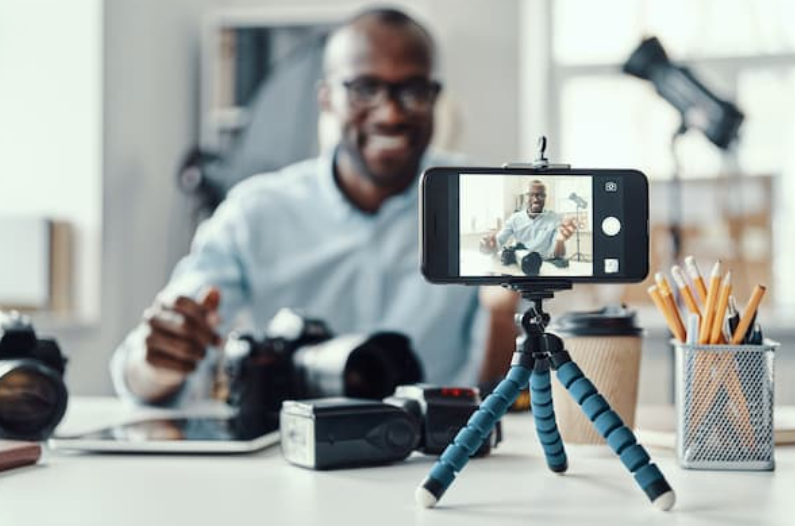
If you already use your phone to record daily moments, you might wonder when it makes sense to move to a dedicated vlogging camera. At first your phone feels simple and always ready, but as you try longer clips, night scenes, or fast movement, its limits start to show. Frames may look noisy, focus can hunt, and your hand may block the microphone. Upgrading is not only about chasing sharper video, it is about choosing a tool that makes filming smoother and more reliable. When you understand the turning points between phone and vlogging camera, you can upgrade at the right time instead of buying gear you do not need. You want an upgrade that truly fits you.
Notice the limits of your phone camera
The easiest way to decide if you need a vlogging camera is to watch your own footage with a cold eye. Look at the clips that did not make it into your final video. Are they ruined by shaky movement, harsh noise, or strange focus pulses on your face? Do you lose detail whenever you crop in for a tighter frame? Many phones over sharpen video and struggle in mixed lighting, so skin tones can look plastic or washed out. If you see these issues often, your phone may be holding back the style you want for your channel. Seeing the same problems again and again is a sign that better hardware could genuinely change your results.
Think also about practical problems you face while filming. Maybe your phone overheats during long sessions, or battery drains so quickly that you have to choose between recording and staying reachable. Perhaps you run out of storage in the middle of a trip. When you use your phone as both a social tool and a camera, these conflicts appear more and more. A dedicated vlogging camera separates filming from your everyday apps and gives you more control over power, cards, and settings.
What a dedicated vlogging camera actually gives you
A modern vlogging camera is not only different because it has a bigger body. The design is built for recording first. Physical buttons make it easier to change exposure and focus while you are talking. A flip screen lets you frame yourself without guessing. Longer lenses offer a range of looks, from wide room views to tight close ups, without heavy cropping. Many models also keep a cleaner image in low light, so evening streets and indoor cafés look richer and more natural on screen.
Another major gain is audio. A dedicated vlogging camera usually includes a proper microphone input and often a hot shoe or smart connector for small shotgun or wireless mics. This means clearer speech and better control over background noise. Some cameras even offer headphone monitoring and safer recording levels. Over time, steady sound does as much for your channel as a sharper image, because viewers stay for the story when they can hear you clearly, even in busy environments.
Questions to ask before you upgrade
Before you decide that a vlogging camera is the answer to every problem, take time to ask yourself a few honest questions. What kind of content do you really make most weeks? If you mostly post short vertical clips for social platforms, your phone might already be enough. If you aim for longer horizontal vlogs with travel, food, or talking segments, the flexibility of a vlogging camera becomes more useful. Being clear about your format helps you avoid buying a tool that does not match your habits.
Next, think about your learning curve and budget. A new vlogging camera brings menus, codecs, and manual settings that may feel confusing at first. Are you willing to invest time in learning exposure, audio levels, and basic editing workflows? Set a budget that leaves room for at least a small tripod, spare battery, and simple microphone. If buying a camera would empty your savings and force you to skip these essentials, you may be better off improving your phone setup for a while longer.
When a phone is still enough for your channel
There are many situations where a phone remains a smart choice, even for serious creators. If your style is casual, intimate, and close to daily life, the small size of a phone helps people relax around you. Quick filming, fast sharing, and built in apps make it easy to post often. With a simple clamp, a compact light, and an external mic, a phone based kit can look and sound surprisingly professional while staying very portable.
Phones also win when you need to travel light or move through crowded places without drawing attention. Recording in shops, markets, or public transport can feel easier with a device everyone already uses. If your audience cares more about your personality, humor, or insights than about perfect sharpness, a phone centered workflow may serve you well for a long time. In that case, you might decide to delay the vlogging camera purchase until your channel grows or your needs become more complex.
See also: Winter is Coming: Is Your Geyser Ready? A Complete Checklist for Cold Weather
Clear signs it is time to buy a vlogging camera
Even if a phone can do a lot, there are clear moments when a vlogging camera becomes the logical next step. If you keep rejecting footage because of low light noise, focus breathing, or unstable exposure, that frustration is a strong signal. The same is true if clients or collaborators ask for longer, cleaner files that your phone struggles to record reliably. When your projects cannot be finished at the quality you promise, investing in a vlogging camera is no longer a luxury, it is part of doing your work.
Reaching technical limits is not the only sign. Pay attention to how you feel while filming. If you find yourself constantly worried about notifications, incoming calls, or storage warnings, a dedicated vlogging camera can give you mental space. It also helps if you want to use proper lenses, shoot with more deliberate framing, or record for long stretches without interruption. When these needs line up, upgrading will probably bring relief instead of extra stress.
Making a smooth transition to your first vlogging camera
Once you decide to move from phone to vlogging camera, try to keep your first setup simple. Choose a camera that feels comfortable in your hand and has clear menus and reliable autofocus. Add a small tripod or grip and a modest microphone, then use this kit for several months before adding more gear. The goal is to build new habits around turning on the camera, framing quickly, and checking sound, not to collect every accessory at once.
During this period, you can still use your phone as a backup or as a second angle. Over time you will see where the vlogging camera truly changes your workflow and where the phone remains more convenient. This honest comparison helps you avoid buyer’s regret and guides future upgrades. In the end, the best upgrade is not just the device itself, it is the way a thoughtful vlogging camera choice supports your desire to record more often, tell clearer stories, and enjoy the process of creating.