How Dentists Evaluate Persistent Bad Breath Beyond Basic Hygiene
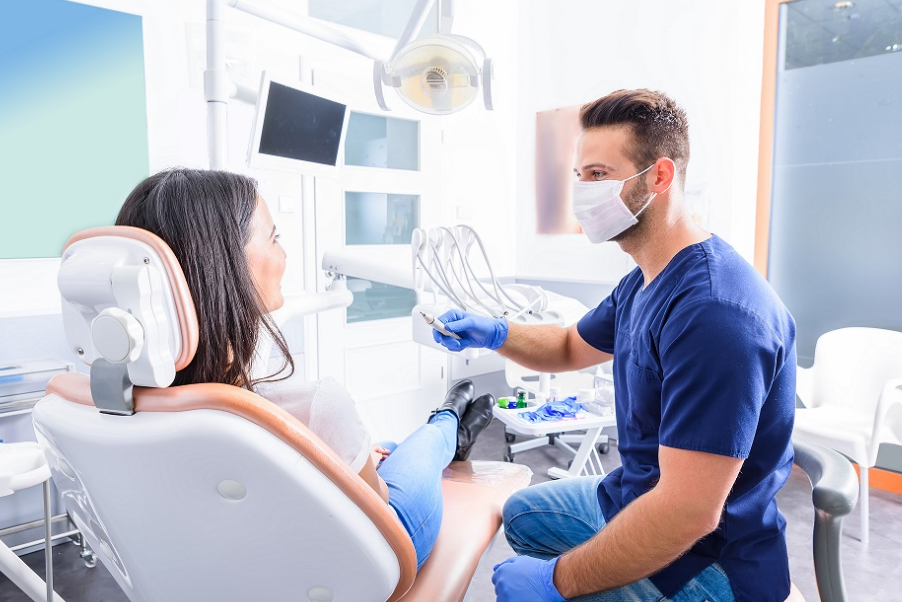
You might be brushing, flossing, using mouthwash, and still wondering why the problem keeps coming back. That can feel frustrating, and if you have started covering your mouth when you talk or avoiding close conversations, you are not overreacting. Persistent bad breath can affect how you feel at work, at home, and in simple everyday moments. The short version is this. When bad breath does not improve with routine care, a general dentist looks beyond surface habits and checks for oral health issues, dry mouth, gum disease, tongue coating, dental infections, and signs that the cause may be coming from somewhere else in the body. In some cases, patients already exploring other dental solutions, including dental implants in Ramona, may also benefit from a full evaluation to identify underlying causes of persistent bad breath.
Because of that uncertainty, many people get stuck in a cycle. They buy stronger products, brush more often, and hope the next fix will work. But when the odor returns, the worry returns with it. So, where does that leave you? Usually, it means the problem needs a more careful evaluation, not more guesswork.
Why can bad breath continue even when your hygiene seems fine?
Bad breath, also called halitosis, is often linked to bacteria in the mouth, but that is only part of the picture. According to MedlinePlus information on bad breath, common causes include poor oral hygiene, gum disease, dry mouth, certain foods, tobacco, and illness. That matters because someone can have a clean-looking routine at home and still have a hidden source of odor.
A dentist usually starts by asking when you notice the smell, whether it is worse in the morning, whether your mouth feels dry, and whether there is bleeding, pain, a bad taste, or loose dental work. These details help narrow things down. If your breath is worst after long periods of talking, for example, dry mouth may be part of the issue. If flossing causes bleeding, gum inflammation may be playing a larger role than you realized.
Then comes the exam. A dentist for chronic bad breath does not just glance at your teeth and move on. The evaluation may include checking the gums for pockets, looking for plaque buildup around the gumline, examining the tongue surface, and inspecting old fillings, crowns, wisdom teeth, and areas where food can get trapped. If there is concern about infection or bone loss, dental X rays may be part of the process.
What exactly does a dentist look for during a bad breath evaluation?
In many cases, the cause is oral and treatable. Gum disease is a common example. Bacteria below the gumline can create a strong odor, even in people who brush twice a day. Tooth decay, leaking restorations, abscesses, and partially erupted wisdom teeth can do the same. A coated tongue is another frequent factor, especially toward the back of the tongue where odor-producing bacteria collect.
Dry mouth is another big one. Saliva helps wash away food particles and bacteria. When saliva drops because of medications, mouth breathing, dehydration, or certain health conditions, odor can become more noticeable. The National Institute of Dental and Craniofacial Research explains what is involved in an oral exam, and that kind of careful inspection is often what helps uncover issues that are easy to miss at home.
What if the mouth looks fairly healthy? That is when a dentist may start thinking beyond dental plaque alone. Chronic sinus issues, tonsil stones, reflux, and some medical conditions can affect breath odor too. MedlinePlus also outlines causes of breath odor that are not limited to brushing habits. If the pattern suggests something outside the mouth, your dentist may recommend follow-up with a physician or specialist.
See also: Why Cross Generational Dental Care Improves Communication And Comfort
When should you stop trying home fixes and get a professional opinion?
If the odor lasts for weeks, returns right after cleaning, or comes with bleeding gums, tooth pain, dry mouth, a bad taste, or loose dental work, it is time for a closer look. The same is true if someone you trust has mentioned the issue more than once. It is easy to dismiss a comment or assume it is just coffee or garlic, but a pattern usually means there is a real source.
This is where persistent breath odor evaluation becomes useful. Instead of treating every case the same way, a dentist tries to identify the exact reason your breath is not improving. That approach can save time, money, and a lot of stress. Buying product after product may feel easier in the moment, but it often delays the real answer.
How does home care compare with a professional bad breath assessment?
Home care still matters, of course. But it works best when it matches the actual cause. If the issue is a tongue coating, a tongue cleaner may help. If the issue is gum infection under the surface, stronger mouthwash alone will not fix it. A simple comparison can make that clearer.
| Approach | What it can help with | What it may miss |
| Brushing and flossing at home | Food debris, routine plaque, daily maintenance | Deep gum pockets, leaking dental work, hidden decay |
| Mouthwash and breath mints | Short term odor masking, some surface bacteria | Underlying infection, dry mouth, medical causes |
| Tongue cleaning | Coating on the tongue, morning breath | Gum disease, abscess, sinus or reflux related causes |
| Professional dental evaluation | Finds oral causes, checks gums, teeth, restorations, saliva, and tongue | May still need medical referral if cause is outside the mouth |
What can you do right now if you are worried about ongoing bad breath?
1. Track the pattern. Notice when the odor is strongest, what you eat and drink, whether your mouth feels dry, and whether there is bleeding or pain. That small record can help a general dentist connect the dots faster.
2. Clean the tongue and review dry mouth triggers. Gently clean your tongue once a day, drink water regularly, and think about whether medications, snoring, or mouth breathing may be drying your mouth out. This is a simple step, but it often reveals whether the problem is surface level or something deeper.
3. Schedule a dental exam if it keeps returning. A bad breath dentist evaluation can identify gum disease, decay, trapped food around dental work, or signs that you need a medical referral. If the issue has lasted despite good effort at home, that next step is reasonable, not extreme.
What is the next step if you want real answers?
Persistent bad breath is not always about poor hygiene, and it is not something you have to quietly live with. In many cases, the cause can be found and treated once someone looks past the obvious. If your breath keeps changing how you speak, smile, or show up around other people, it may be time to stop guessing and get a clear evaluation from a general dentist.
You deserve an answer that goes beyond temporary cover-ups. Schedule a dental visit and ask for a focused evaluation of ongoing bad breath so you can understand what is causing it and what to do next.